



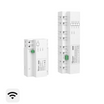
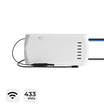
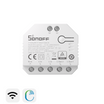
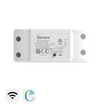

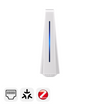

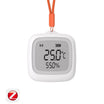
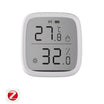

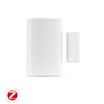


Bevezetés
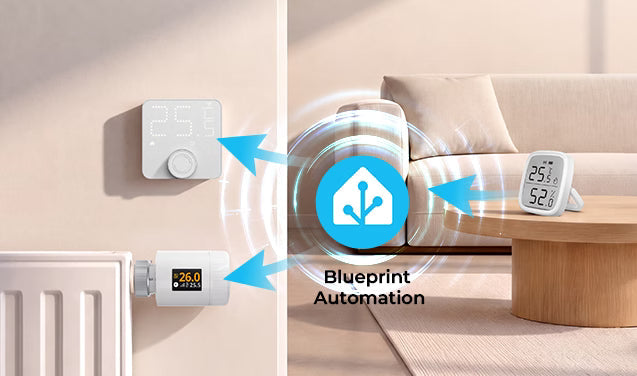
Ez az útmutató bemutatja, hogyan használható távoli hőmérséklet-érzékelő a SONOFF termosztátos eszközeivel a Home Assistantban, egy Home Assistant-blueprinten keresztül. A különböző termosztáteszközökhöz eltérő blueprintlinkek tartoznak, ezért ügyeljen arra, hogy az eszközének megfelelő blueprintet használja.
Az alábbi lépésekben a TP-WGZBA termosztátot használjuk példaként annak bemutatására, hogyan konfigurálható egy külső hőmérséklet-érzékelő blueprint segítségével.
A menüpontok nevei némileg eltérhetnek a Home Assistant egyes verzióiban. Kövesse az aktuális Home Assistant-felületén megjelenő lehetőségeket.
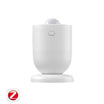
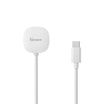
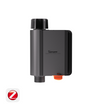
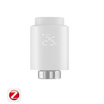
|
Eszköz |
Blueprint URL-címe |
|
|
|
|
|
|
👉 Tipp: Ha inkább manuálisan szeretné beállítani a külső hőmérséklet-érzékelőt a Home Assistantban, kövesse a részletes útmutatónkat a ZHA és a Zigbee2MQTT (Z2M) használatához: SONOFF TRV beállítása külső hőmérséklet-érzékelővel manuálisan
Mielőtt elkezdené
Mielőtt elkezdené, győződjön meg arról, hogy:
- A távoli hőmérséklet-érzékelőt már hozzáadta a Home Assistanthez, és az megfelelően jeleníti meg a hőmérsékletet.
- A termosztát vagy a termosztátpanel sikeresen hozzáadásra került.
- Az eszköz online.
1. lépés: A blueprint importálása
- Nyissa meg a Home Assistantot.
- Lépjen a Beállítások → Automatizálások és jelenetek → Blueprintek. menübe.
- Kattintson az alsó jobb sarokban található Blueprint importálása gombra.

4. Illessze be a megfelelő blueprint URL-címét a Blueprint címe mezőbe.
- A következő URL a SONOFF TP-WGZBA termosztát blueprintje:

5. A blueprint sikeres importálása után megjelenik a blueprintlistában.

Megjegyzések:
- Ha a blueprint nem importálható, ellenőrizze, hogy a blueprint URL-címe teljes-e, és megfelelően lett-e bemásolva.
- Ha a blueprint nem jelenik meg az importálás után, frissítse az oldalt, vagy indítsa újra a Home Assistantot.
2. lépés: Automatizálás létrehozása blueprintből
- Lépjen a Beállítások → Automatizálások és jelenetek → Automatizálások menübe.
- Kattintson a + Automatizálás létrehozása gombra.
- Válassza ki az imént importált távoli hőmérséklet-érzékelő blueprintjét.

4. Válassza ki a termosztáteszközét, például a TP-WGZBA thermostat panel eszközt.
5. Válassza ki a megfelelő external temperature sensor eszközt távoli hőmérsékletforrásként.

6. Adjon nevet az automatizálásnak, például: Sync Remote Temperature to TP-WGZBA.
7. Kattintson a Save gombra.
8. Győződjön meg arról, hogy az automatizálás engedélyezve van.

Megjegyzések:
- A termosztáteszközt és a hőmérséklet-érzékelőt már hozzá kell adni a Home Assistanthez, és online állapotban kell maradniuk.
- Ha nem találja a termosztátot vagy a hőmérséklet-érzékelőt, ellenőrizze, hogy az eszköz megfelelően lett-e hozzáadva.
- Az automatizálás mentése után győződjön meg arról, hogy az állapota enabled.
3. lépés: A külső hőmérséklet-érzékelő engedélyezése az eszközbeállításokban
Az automatizálás létrehozása után magán a termosztáteszközön is engedélyeznie kell a külső hőmérsékletforrást.
1. módszer: ZHA
- Keresse meg SONOFF TP-WGZBA thermostat eszközét.
- Keresse meg az External Temperature Sensor kapcsolót, és kapcsolja be.

2. módszer: Zigbee2MQTT
- Keresse meg SONOFF TP-WGZBA thermostat eszközét.
- Nyissa meg az eszközbeállítások oldalát, majd keresse meg és válassza ki az External Temperature Sensor lehetőséget.

Megjegyzések:
- ZHA használata esetén engedélyezze az External Temperature Source switch kapcsolót.
- Zigbee2MQTT használata esetén válassza az External Temperature Source lehetőséget.
- Ha az eszköz offline állapotban van, alacsony az akkumulátortöltöttsége, vagy gyenge a jele, előfordulhat, hogy a beállítás nem lép érvénybe azonnal.
- Ha nem találja a External Temperature Sensor beállítást, ellenőrizze, hogy a ZHA / Zigbee2MQTT verziója és az eszközmodell támogatja-e.
4. lépés: A beállítás működésének ellenőrzése
A fenti lépések elvégzése után a konfigurációt a következő módokon erősítheti meg:
- Győződjön meg arról, hogy az automatizálás létre lett hozva és engedélyezve van.
- Győződjön meg arról, hogy a külső hőmérsékletforrás engedélyezve van vagy ki van választva az eszköz beállításaiban.
- Módosítsa a távoli hőmérséklet-érzékelő által jelentett hőmérsékletet, majd ellenőrizze, hogy az érték frissül-e a Home Assistantban vagy az eszközön.
- Erősítse meg, hogy a termosztát a távoli hőmérsékletforrásból származó hőmérsékletet használja a hőmérséklet szabályozásához.
- Erősítse meg, hogy a hőmérséklet megfelelően jelenik meg mind az eszközön, mind a Home Assistantban.

Hagyjon megjegyzést
Minden hozzászólást moderálnak a közzététel előtt.
Ezt a webhelyet a hCaptcha rendszer védi, és a hCaptcha adatvédelmi szabályzata, valamint szolgáltatási feltételei vonatkoznak rá.