









Introduction
Do you know how much electricity your appliances actually consume? Your electricity bill shows your total household energy consumption, but it does not tell you which devices consume the most energy or how much power each appliance uses over time.
If you want to monitor appliance energy consumption, choosing the right device can be confusing. Should you use a dedicated power meter (also known as a smart energy meter) or a smart metering switch with built-in energy monitoring?
Both options can help you measure electricity consumption and track power usage, but the right choice depends on whether you only need energy data or also want device control.
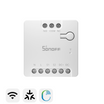
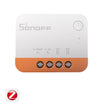
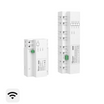
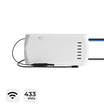
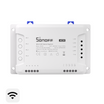
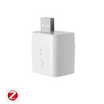
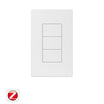
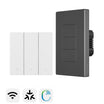
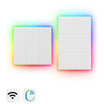
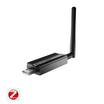
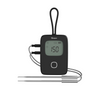
This guide explains the differences between these two solutions, when each option is suitable, and how the SONOFF MINI-ZB1GP Zigbee power meter with non-switch and MINI-ZB1GSP Zigbee smart switch with power monitoring can help you monitor, analyze, and manage your home's appliance energy consumption more effectively.
Why Monitor Appliance Energy Consumption?
Knowing how much energy individual appliances consume helps you identify where your energy costs come from. Instead of only seeing your total household energy consumption, you can monitor the power consumption of specific appliances and identify which devices use the most electricity over time.
Energy monitoring can help you:
● Understand appliance operating patterns
● Identify high-energy or always-on devices
● Track electricity consumption and estimate running costs based on actual usage
For example, monitoring equipment such as lights, fans, ovens, coffee machines, washing machines, dryers, 3D printers, or always-on home servers allows you to track their electricity consumption, compare their power usage, and discover which appliances contribute most to your household energy consumption.

Power Meter vs Smart Metering Switch: What's the Difference?
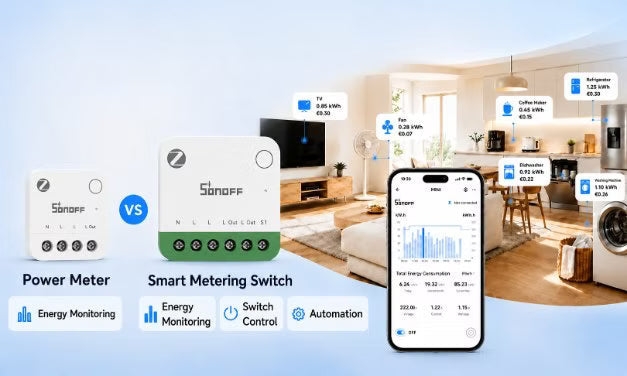
Both a power meter and a smart metering switch help you monitor the energy consumption and power usage of connected appliances or electrical loads. While both devices provide real-time and historical energy data, the key difference is whether you only need energy monitoring or also want remote control and home automation.
- A power meter, also referred to as a smart energy meter, is designed to measure electricity consumption and power consumption over time. It records real-time and historical energy data without adding switching or automation functions, making it ideal when you only need to monitor appliance energy consumption.
- A smart metering switch (or smart switch with energy monitoring) combines energy monitoring with device control. In addition to tracking electricity consumption and power usage, it allows you to remotely switch connected devices, create schedules, and build automation routines.
|
Feature |
Power Meter |
Smart Switch with Energy Monitoring |
|
Measure energy consumption |
✅ |
✅ |
|
Monitor power usage over time |
✅ |
✅ |
|
Track energy data (kWh) |
✅ |
✅ |
|
Calculate electricity cost* |
Depends on the app or platform |
Depends on the app or platform |
|
Remote ON/OFF control |
❌ |
✅ |
|
Smart automation |
Limited |
✅ |
|
Best for |
Monitoring energy usage only |
Monitoring + control |
*Note: Electricity cost calculation depends on whether your app or smart home platform supports electricity price settings.
👉If you only need accurate energy monitoring, a power meter or smart energy meter is usually the best choice. If you also want remote control, scheduling, and automation, a smart metering switch is the better solution.
Key Considerations Before Buying a Power Meter or Smart Metering Switch
Before choosing a smart energy meter or power meter switch, it's important to check your appliance requirements, electrical wiring, and installation conditions. These factors help ensure compatibility and make installation easier after purchase.
Check the Load Requirements
Different power meters and smart metering switches have different voltage, current, and load limitations. Before purchasing, check the rated voltage, current, and supported load types.
For inductive loads with motors or compressors, such as pumps, dryers, heat pumps, or HVAC equipment, make sure the device has sufficient current capacity and safety margin for your application.
Check Installation Space
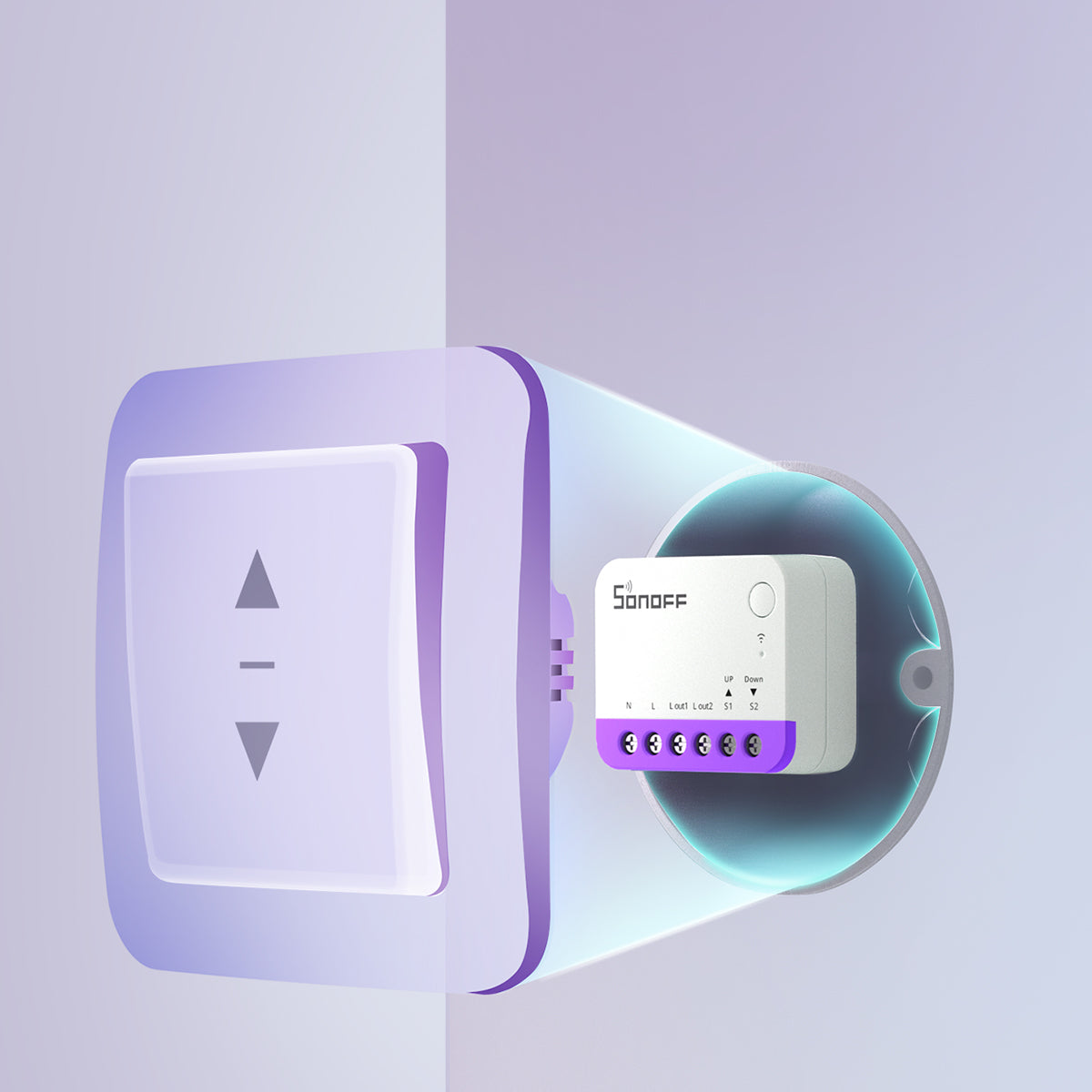
For in-wall smart switches or relay modules, available space behind the wall switch or inside the electrical box is an important consideration.
It is easy to focus only on device specifications and overlook installation depth. After purchase, some users may find that there is not enough space for the module and wiring inside the wall box, especially in older installations.
Check Whether a Neutral Wire is Available
Most smart metering switches and in-wall smart switches require a neutral wire. However, in some homes, especially older properties, the wall switch box may only contain a line wire and a load wire without a neutral wire.
Before purchasing, check the wiring inside your existing switch box and confirm whether a neutral wire is available if the selected device requires one. If no neutral wire is available, you may need to choose a no-neutral smart switch or install additional wiring.
Check Smart Home Platform Compatibility
If you plan to use a power meter or smart metering switch with Home Assistant, SmartThings, Amazon Alexa, Apple Home, or Google Home, verify compatibility before purchasing. This helps ensure reliable energy monitoring, automation, and access to available smart home features.
Tips: If you plan to monitor solar generation or household solar energy production, choose a smart energy meter or power meter that supports bidirectional energy measurement.
Which SONOFF Energy Monitor Fits Your Needs?
SONOFF offers two Zigbee energy monitoring solutions for tracking appliance energy consumption and electricity usage. Both devices provide real-time energy monitoring, historical energy records, and bidirectional energy measurement for compatible solar monitoring applications. The difference is simple: MINI-ZB1GP is dedicated to energy monitoring, while MINI-ZB1GSP combines energy monitoring with remote control, scheduling, and automation.
Both devices feature a compact form factor that can be retrofitted into standard electrical wall boxes, behind power sockets, light switches and other space-constrained locations, making them suitable for installations where space is limited. They support loads up to 16A and can be used with a wide range of household appliances, including washing machines, dryers, ovens, dishwashers, pumps, water heaters, and more.
SONOFF MINI-ZB1GP: Zigbee Power Meter
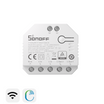
MINI-ZB1GP is a compact Zigbee 3.0 power meter designed for users who want to monitor appliance energy consumption without controlling the connected load. It provides real-time and historical electricity consumption data, making it easy to analyze energy usage, monitor solar generation in compatible systems.

SONOFF MINI PM Zigbee Power Meter (Non-Switch) | MINI-ZB1GP
$15.90
Real-time energy monitoring, up to 16A load support, 180 days of historical energy data and reports with data export, bidirectional energy metering for solar monitoring, electricity cost calculation with fixed and time-of-use tariffs.
View ProductSONOFF MINI-ZB1GSP: Zigbee Smart Switch with Energy Monitoring
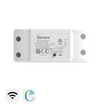
MINI-ZB1GSP is a compact Zigbee 3.0 smart power metering switch that combines energy monitoring with remote control. In addition to tracking electricity consumption, it lets you remotely switch connected appliances, create schedules, and build smart home automations for everyday convenience and improved energy management.

SONOFF MINI ONE PM Zigbee Smart Switch | MINI-ZB1GSP
$19.90
Intelligent ON/OFF control, up to 16A load support, compatibility with original physical switches, support for 86/120/EU-type mounting boxes, scheduling and automation, energy cost calculation with customizable electricity rates and time-of-use tariffs.
View Product
Installation Notes:
- Both MINI-ZB1GP and MINI-ZB1GSP require a neutral wire for installation. Before purchasing, check whether your existing wiring includes a neutral wire.
- A wall box depth of 60 mm or more is recommended to ensure sufficient space for installation.
Practical Applications of Energy Monitoring
After installing a power meter or smart switch with energy measurement, you can monitor real-time electricity consumption, review historical energy data, and better understand how your appliances use energy. These insights help you identify energy-intensive devices, improve energy efficiency, and make smarter decisions about household energy use.
Common applications include:
Identify High-Energy Appliances
Energy monitoring helps you identify appliances with high power consumption, such as HVAC systems, water heaters, dryers, ovens, refrigerators, pumps, and home servers. By tracking electricity consumption over time, you can compare usage patterns, identify energy-intensive devices, and better understand where your household electricity is being used.
For example, a heating system may consume more energy during colder periods, while a dryer or water heater may have higher consumption during specific usage cycles.
This insight can help you optimize appliance usage and improve overall energy efficiency.

Receive Appliance Completion Notifications
Power changes can be used to identify when certain appliances may have completed their tasks. For example, washing machines and dishwashers usually show a significant drop in power consumption after finishing a cycle.
By setting appropriate power thresholds and duration conditions, you can receive notifications when a task is complete instead of checking the appliance repeatedly, allowing you to continue with other activities instead of checking it repeatedly.

Remote Control and Home Automation
A smart switch with energy monitoring combines power monitoring with remote control, scheduling, and home automation.
For example, you can schedule lights to turn on or off automatically at specific times, remotely control connected devices, or create automations for lights, fans, pumps, water heaters, and other fixed electrical loads. At the same time, you can monitor electricity consumption to understand how these devices are used over time.

Monitor Solar Generation and Energy Usage
If your power meter or smart power meter switch supports bidirectional energy measurement, you can monitor both household electricity consumption and solar generation.
Comparing production and consumption over time helps you understand when solar panels generate the most electricity, how much energy your home consumes, and how much of your household demand is supplied by solar power.
These insights can help you make better use of self-generated solar energy.

Conclusion
Monitoring appliance energy consumption gives you a clearer understanding of how your home uses electricity. By tracking real-time and historical electricity consumption, you can identify high-energy appliances, improve energy efficiency, and make more informed decisions about household energy usage.
If your goal is simply to monitor energy consumption, a Power Meter provides dedicated energy monitoring without controlling the connected load. If you also want remote control, scheduling, and home automation, a Smart Metering Switch combines intelligent device control with built-in energy monitoring for greater flexibility.
Whether you're looking for a power meter to monitor electricity usage or a smart metering switch to automate connected devices, SONOFF MINI-ZB1GP and MINI-ZB1GSP provide reliable energy monitoring solutions for modern smart homes.
FAQ
Q1: Can I monitor energy without controlling my appliance?
Yes. A power meter such as SONOFF MINI-ZB1GP allows you to monitor electricity usage without adding ON/OFF control. It is suitable when you only need energy data from a connected appliance.
Q2: Should I use a smart plug, power meter, or smart metering switch?
Choose the right device based on how your appliance is connected and whether you need energy monitoring only or both energy monitoring and remote control.
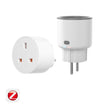
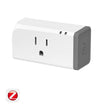
- Choose a Smart Plug for plug-in or portable appliances, such as table lamps, coffee makers, fans, or humidifiers. Its plug-and-play design requires no wiring, making it easy to install, relocate, making it easy to add energy monitoring and remote control to compatible plug-in appliances.
- Choose a Power Meter if you only want to monitor the electricity consumption of permanently wired appliances without adding switching control. It's ideal for water heaters, HVAC systems, pumps, and other fixed electrical loads.
- Choose a Smart Metering Switch for permanently wired appliances when you want both energy monitoring and remote control. It lets you switch connected devices remotely, create schedules, and build smart home automations while monitoring electricity consumption.
Q3: Do Energy Monitoring Devices Need a Neutral Wire?
Many in-wall energy monitoring switches and relay modules may require a neutral wire for installation. If your existing switch box does not have a neutral wire, the selected device may not be compatible with your current wiring setup or may require additional electrical work.
Before purchasing an in-wall smart switch, check whether a neutral wire is available at the installation location.
Q4: Can I integrate energy monitoring with Home Assistant?
Yes. Energy monitoring devices can be integrated with smart home platforms such as Home Assistant to view energy data and create automations.
For example, you can use energy consumption data to build dashboards, track appliance usage, or create automations based on power changes. SONOFF MINI-ZB1GP and MINI-ZB1GSP support integration through compatible smart home setups such as ZHA and Zigbee2MQTT.
Q5: Can these devices monitor solar energy production?
Some energy monitoring devices support bidirectional energy measurement, allowing you to monitor both electricity consumption and renewable energy generation from solar systems.
Before purchasing, check whether the device supports the required measurement features for your solar setup. Devices such as SONOFF MINI-ZB1GP and MINI-ZB1GSP support bidirectional energy measurement for solar monitoring applications.

Leave a comment
All comments are moderated before being published.
This site is protected by hCaptcha and the hCaptcha Privacy Policy and Terms of Service apply.